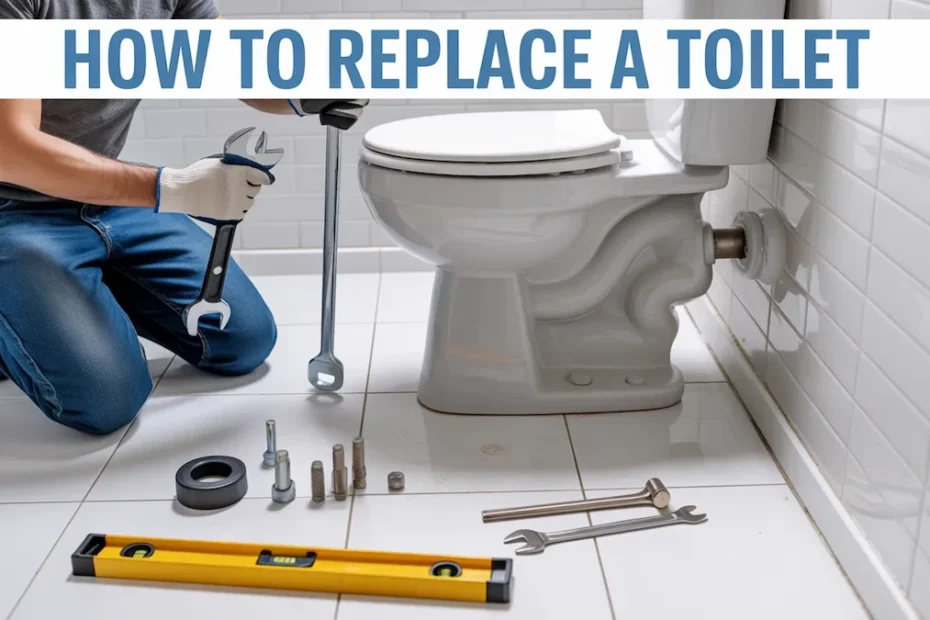
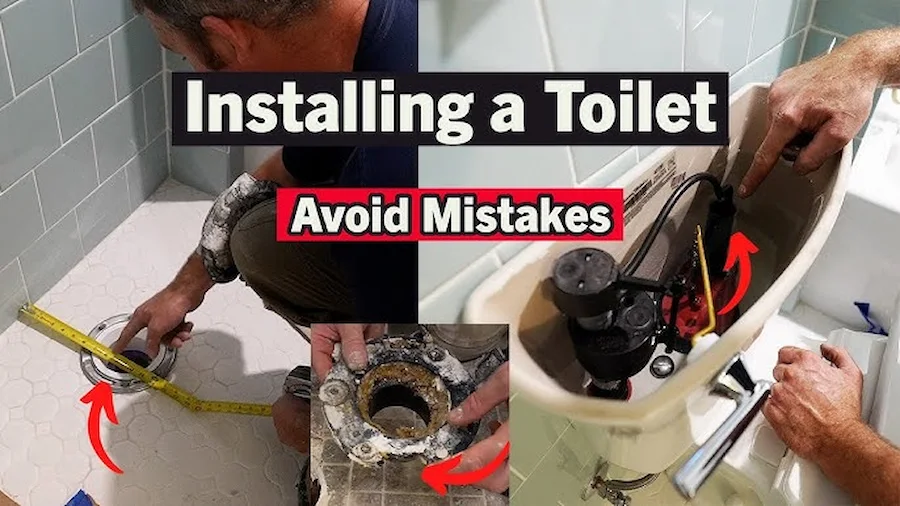
Replace a Toilet might sound intimidating, but with the right preparation and mindset, it’s one of the most satisfying DIY upgrades you can make in your bathroom. I’ve replaced toilets in rental properties, my own home, and even helped a neighbor during an emergency leak—each time learning something new. In this guide, I’ll walk you through the toilet replacement process in clear, simple language so you feel confident from start to finish.
Content
Why Knowing How to Replace a Toilet Matters
A worn-out or leaking toilet wastes water, raises utility bills, and can damage flooring over time. Learning how to replace a toilet yourself gives you control over quality, saves labor costs, and helps you respond quickly when problems arise. Most homeowners are surprised by how manageable the job actually is.
Tools and Preparation Before You Start
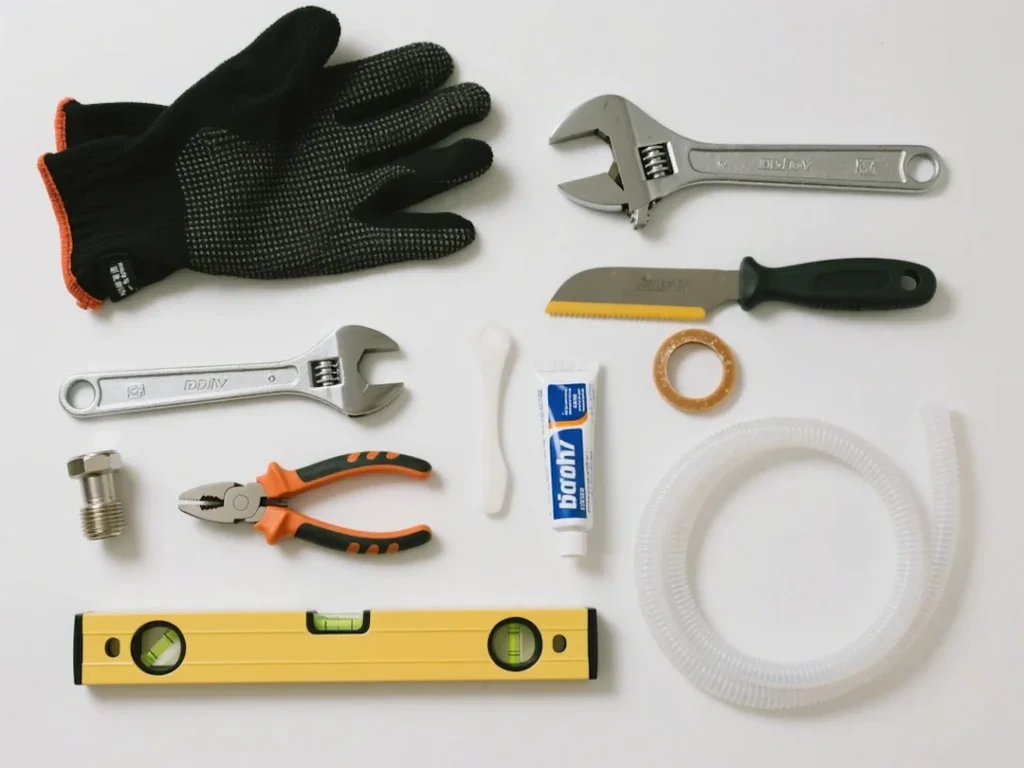
Before touching a wrench, gather everything you’ll need. From my experience, preparation is half the job done. Having all supplies nearby prevents rushed decisions or improper installation.
You’ll typically need:
Adjustable wrench
Screwdriver
Bucket and towels
New wax ring
Level
Measuring tape
If you’re unsure what to gather, researching tools needed to replace a toilet beforehand will save time and frustration.
Step-by-Step Overview of the Job
When people ask me how to replace a toilet step by step for beginners, I explain that the task is really a sequence of small, logical actions. The key is not rushing.
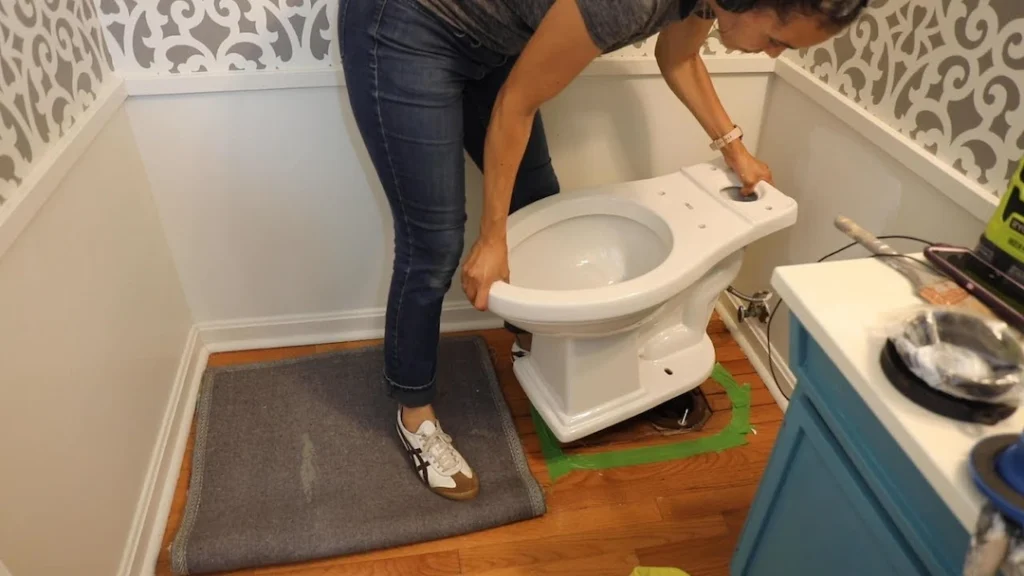
First, turn off the water supply and drain the tank completely. Next, disconnect the water line and unbolt the base. Carefully lift the old unit away and set it aside. This is the point where many homeowners officially remove and replace toilet components, so keeping the area clean is essential.
Once the old toilet is gone, inspect the floor and flange carefully before continuing.
Installing the New Toilet Correctly
A smooth setup depends on proper alignment and sealing. I always recommend following a trusted toilet installation guide, especially if it’s your first attempt.
Positioning the bowl requires patience. This is where toilet flange installation becomes critical—if the flange is damaged or misaligned, the toilet will rock or leak. Take your time ensuring the bolts line up evenly before tightening.
Next comes toilet wax ring replacement, which forms the watertight seal between the bowl and the drain. If you’ve ever wondered how to replace a toilet wax ring, the secret is simple: center it carefully and avoid shifting the bowl once it’s set.
After that, attach the tank, reconnect the water supply, and test for leaks. At this stage, you officially install a new toilet, and the hardest part is already behind you.
Common Mistakes to Avoid
Even experienced DIYers make errors. The most frequent issues I see come from rushing or over-tightening bolts. Reading about common mistakes when replacing a toilet helped me avoid cracking a porcelain base during my first attempt.
Another mistake is flushing items that shouldn’t go down the drain during testing. For example, Flushing Facial Tissues may seem harmless, but they don’t break down like toilet paper and can cause clogs in a newly installed system.
Time and Cost Expectations
One of the most common questions I get is how long does it take to replace a toilet. For beginners, plan 2–3 hours, including cleanup. Experienced DIYers can often finish in under 90 minutes.
As for budgeting, understanding the cost to replace a toilet at home helps set realistic expectations. Most homeowners spend on the toilet unit, wax ring, and minor hardware—still far less than hiring a plumber for the entire job.
Real-Life Case Study: A Weekend Bathroom Upgrade
Last year, I helped a friend with a full bathroom toilet replacement in his 20-year-old home. The old toilet rocked back and forth, causing slow leaks that damaged the subfloor. During removal, we discovered a cracked flange and deteriorated wax ring.
By addressing these issues properly and replacing an old toilet with a new one, we not only solved the leak but also improved water efficiency. The entire job took just under three hours, and my friend gained the confidence to handle future plumbing projects on his own.
Final Thoughts
Learning replacing a toilet step by step is a skill every homeowner can benefit from. With patience, preparation, and attention to detail, this project becomes far less intimidating than it seems. Whether you’re upgrading for efficiency or fixing a persistent leak, the knowledge you gain will pay off for years to come.
If you follow the guidance above and take your time, you’ll not only complete the job successfully—you’ll walk away with real DIY confidence.
FAQs
Do you need a permit to replace a toilet?
In most areas, replacing an existing toilet doesn’t require a permit, but local building codes may vary.
Can a toilet be replaced on any bathroom floor type?
Yes, toilets can be installed on tile, vinyl, or concrete floors if the flange and base are properly sealed.
What should you do with an old toilet after removal?
Old toilets can be recycled, donated, or disposed of through local waste or renovation programs.
Can replacing a toilet improve water efficiency?
Yes, modern toilets use less water per flush and can significantly reduce household water usage.
Is it safe to replace a toilet without plumbing experience?
Yes, with basic tools and careful instructions, most homeowners can replace a toilet safely.
My name is Author Name. I post about home improvement ideas and how to make your home look beautiful and liveable. I hope my posts will help you with your DIY projects!