Electricity costs in Singapore have steadily increased over the years, encouraging homeowners to explore smarter and more sustainable energy solutions. One option gaining popularity is installing a singapore landed house solar panel system. Because landed homes typically have larger rooftops and better sunlight exposure, they are well suited for solar energy systems. By generating electricity directly from sunlight, homeowners can significantly reduce their reliance on the national grid and lower monthly utility bills.
This article explains how solar panels work in landed homes and how they help reduce electricity expenses over time.
Content
Understanding How Solar Panels Work
Solar panels convert sunlight into electricity through photovoltaic (PV) cells. When sunlight hits the solar cells, it produces direct current (DC) electricity. This electricity then flows through an inverter that converts it into alternating current (AC), which powers household appliances such as air conditioners, refrigerators, and lighting systems.
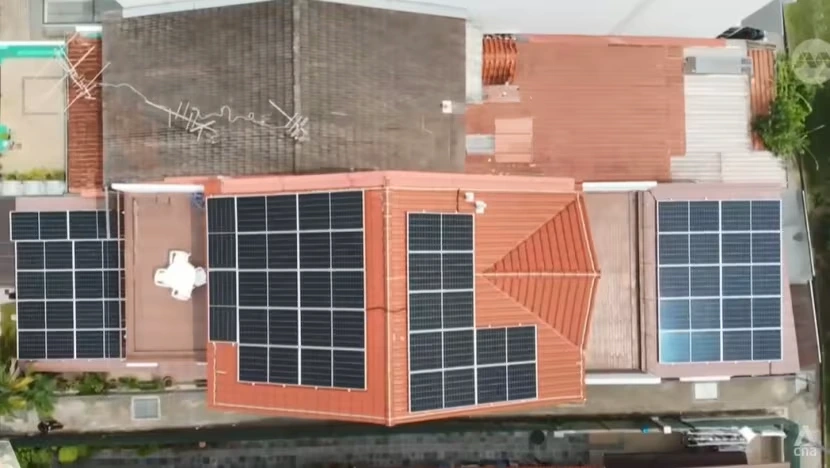
In a typical singapore landed house solar panel setup, multiple solar panels are installed on the rooftop where sunlight exposure is strongest. During the day, the panels generate electricity that can be used immediately by the household. Any excess energy can be exported back to the grid depending on local regulations and system setup.
Because Singapore receives strong sunlight throughout the year, solar panels can consistently produce energy that offsets daily electricity consumption.
Reducing Dependence on Grid Electricity
One of the biggest advantages of installing solar panels is the reduced reliance on grid electricity. In a conventional home, all electricity comes from the national grid and is billed based on total consumption.
With a singapore landed house solar panel system, a portion of the electricity used in the home is generated directly from solar energy. This means homeowners purchase less electricity from their energy provider. Over time, this reduction in grid usage translates directly into lower monthly electricity bills.
For example, households that use energy-intensive appliances such as air conditioning during daytime hours can benefit significantly because solar panels generate the most electricity when the sun is strongest.
Maximizing Rooftop Space for Energy Production
Landed houses in Singapore usually have more rooftop space compared to apartments or condominiums. This allows homeowners to install larger solar systems capable of generating more electricity.
A properly designed singapore landed house solar panel system can cover a substantial portion of a home’s energy needs. The larger the system, the greater the potential savings on electricity costs.
Solar professionals typically evaluate factors such as roof orientation, shading, and available space to design an efficient system that maximizes energy production. With optimal placement, solar panels can capture sunlight for most of the day, increasing the system’s overall output.
Long-Term Savings on Electricity Bills
While installing solar panels requires an initial investment, the long-term savings can be substantial. Solar panels generally have a lifespan of 25 years or more, which means homeowners can enjoy decades of reduced electricity costs.
Over time, a singapore landed house solar panel system can offset a significant portion of electricity consumption. As electricity tariffs rise, the value of the energy generated by the solar system increases as well. This makes solar energy an attractive long-term financial investment for homeowners looking to manage rising energy costs.
Additionally, many solar systems require minimal maintenance, making them cost-effective over their lifetime.
Increasing Energy Efficiency at Home
Solar panels also encourage homeowners to become more conscious of their energy usage. Many systems come with monitoring tools that track how much electricity the panels generate and how much energy the household consumes.
By analyzing this data, homeowners can adjust their energy habits to maximize the benefits of their singapore landed house solar panel system. For instance, running energy-intensive appliances during peak sunlight hours allows households to use solar-generated electricity rather than drawing power from the grid.
This improved energy management helps further reduce electricity expenses.
Supporting Sustainable Living
Beyond financial savings, installing solar panels contributes to environmental sustainability. Solar energy is a renewable resource that produces electricity without emitting greenhouse gases. By using a singapore landed house solar panel system, homeowners reduce their carbon footprint while supporting Singapore’s broader sustainability goals.
Many homeowners today are motivated not only by cost savings but also by the desire to adopt cleaner and greener energy solutions. Solar panels allow them to achieve both objectives simultaneously.
Conclusion
Installing a singapore landed house solar panel system is an effective way for homeowners to reduce electricity costs while embracing renewable energy. By generating power directly from sunlight, solar panels reduce reliance on grid electricity, lower monthly utility bills, and provide long-term financial benefits.
With Singapore’s strong sunlight and the larger rooftop space available in landed homes, solar energy systems can deliver impressive results. Over the lifespan of the system, homeowners can enjoy significant energy savings while contributing to a more sustainable future.

My name is Author Name. I post about home improvement ideas and how to make your home look beautiful and liveable. I hope my posts will help you with your DIY projects!
