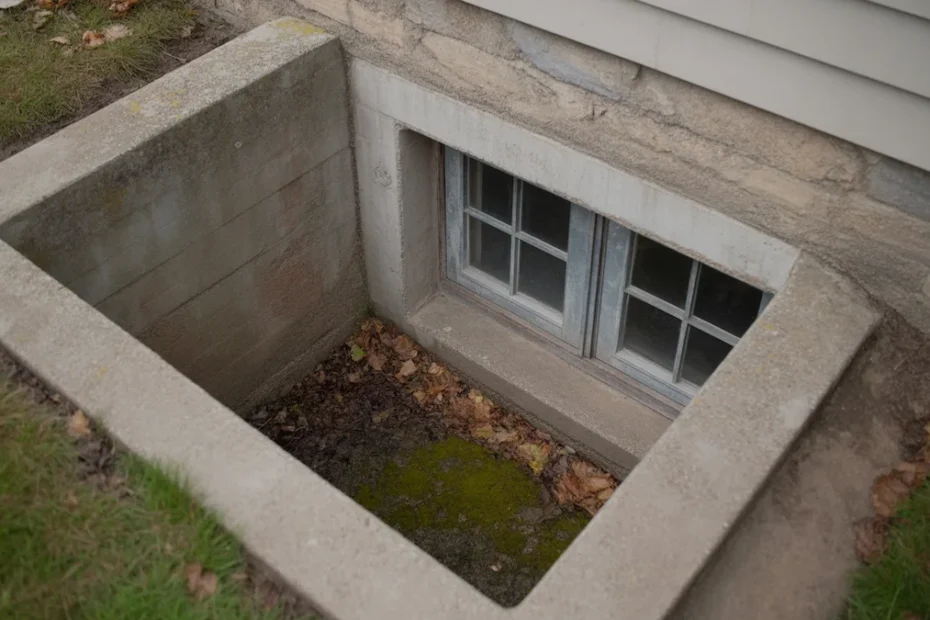
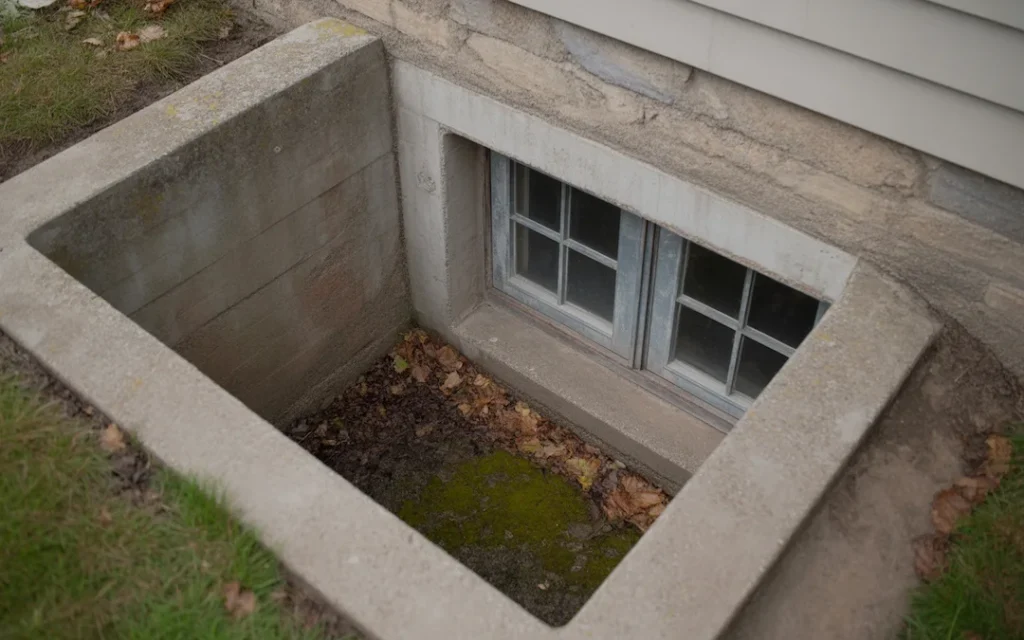
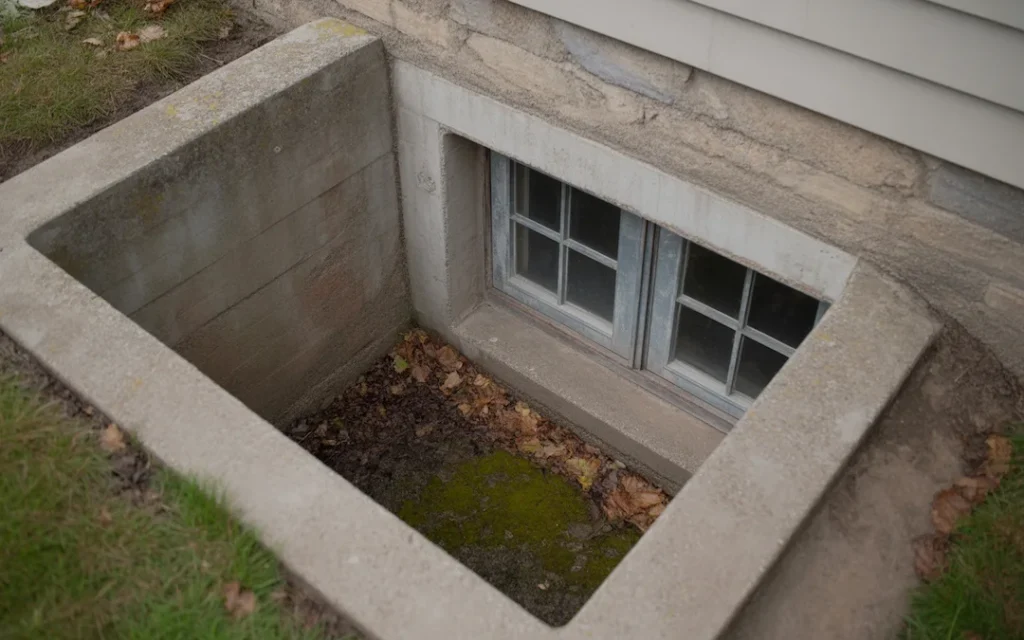
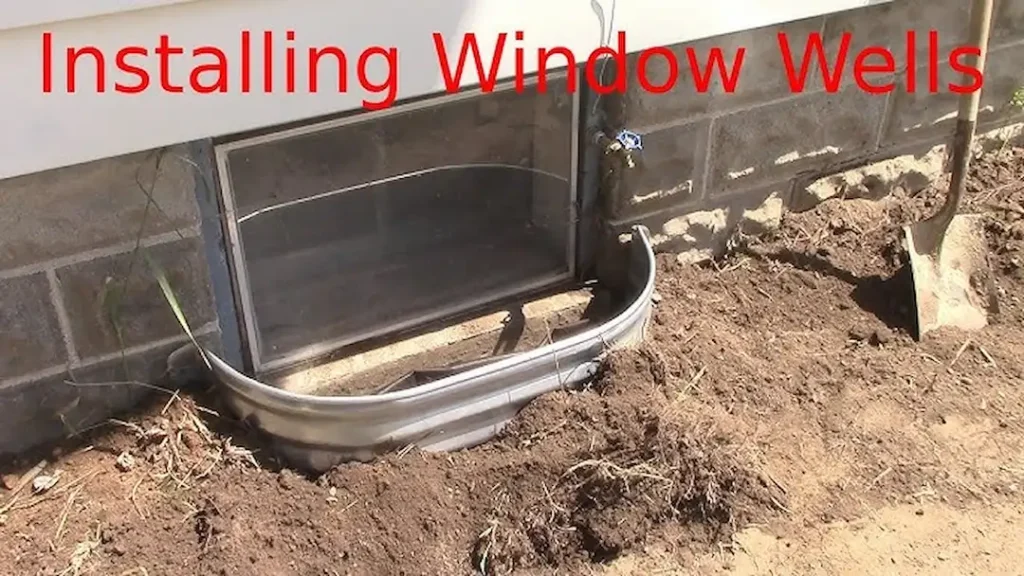
A basement doesn’t have to feel dark, damp, or closed-off. One feature that can completely transform it is a cellar window well. When properly installed, a window well keeps the area around the basement window dry, increases natural light, and improves airflow. More importantly, it helps protect your foundation by preventing water intrusion.
If you’re a homeowner planning to remodel or waterproof your basement, here’s everything you need to know — based on real experience from years of working on basement window well and egress window well setups.
Content
What Is a Cellar Window Well?
A window well is a semi-circular barrier installed outside a basement or cellar window. Its purpose is to:
Hold back soil
Keep moisture and debris away
Allow sunlight into the basement
Homeowners usually install window wells for one of two purposes:
Type
Purpose
Standard Cellar Window Well
Improves lighting and ventilation
Egress Window Well
Meets building codes for emergency escape
Both types improve basement conditions, but egress window wells must meet legal size and clearance requirements.
Why Are Cellar Window Wells Important?
Many basements struggle with:
Moisture
Bad ventilation
Mold issues
Poor lighting
Window wells solve these problems by acting as a barrier and lightwell. When paired with a window well cover, they keep debris, leaves, and snow out.
Top Benefits
Prevents water pooling near basement windows Reduces chances of leaks and mold Allows natural sunlight into the basement Improves airflow and ventilation Protects the foundation from moisture-related damage
Do Cellar Window Wells Need Drainage?
ABSOLUTELY.
If there is one rule that matters most when installing window wells, it’s this:
“Window wells without drainage eventually cause leaks.”
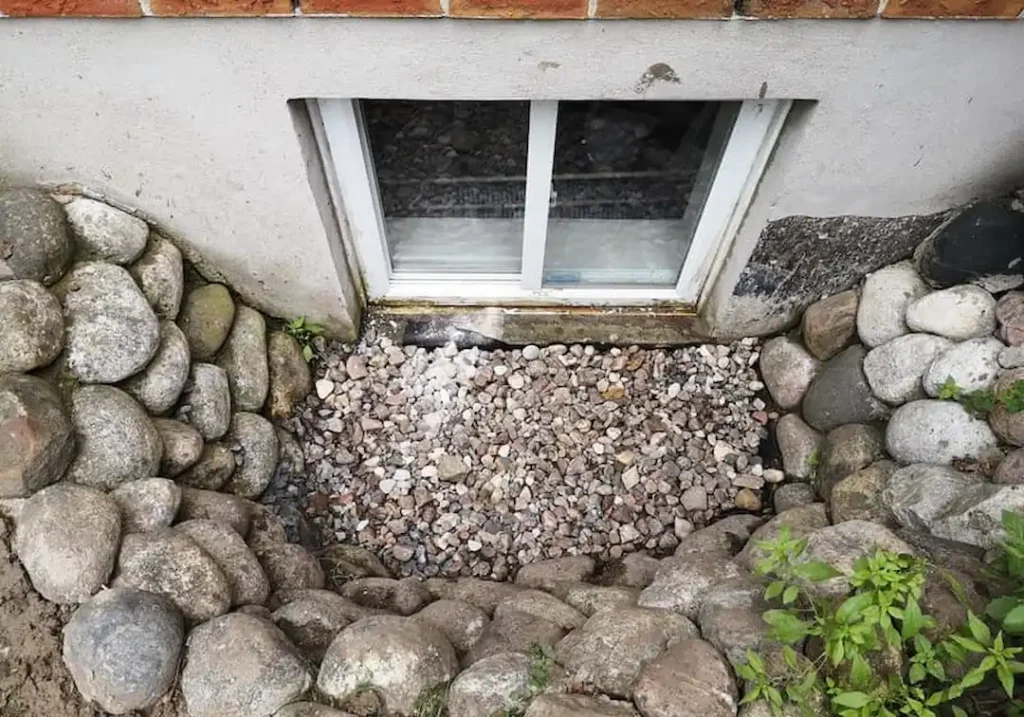
Improper or missing drainage turns a window well into a bowl that collects water. During heavy rain, that water pushes against the window and leaks straight into the basement.
Ideal drainage methods include:
6–8 inches of gravel at the bottom
Connecting a drain pipe into the home’s drainage system
Using perforated drain tile for areas with heavy rain
This is why homeowners often search:
“Do cellar window wells need drainage?”
The answer is yes — drainage isn’t optional.
Best Materials for Window Wells
Picking the right material determines durability and maintenance.
Material
Benefits
Best For
Galvanized Steel
Strong, long-lasting
Most homeowners
Plastic / Polyethylene
Won’t rust, lightweight
Wet or coastal climates
Concrete
Extremely durable
Permanent installations
Timber / Stone
Decorative aesthetic
Landscaping projects
When advising homeowners, I typically recommend galvanized steel because it offers the best balance between cost and strength.
How to Install a Cellar Window Well (Simplified Steps)
Here’s a simple guide on how to install a cellar window well:
Measure window height & width
Dig a hole large enough for the well
Add gravel at the bottom for drainage
Position the well and anchor it to the wall
Backfill soil around the outside of the well
Add a window well cover to prevent debris build-up
The gravel layer is crucial — it’s the key part of window well drainage.
Real-Life Case Study: Basement Leak Solved by Window Well Drainage
Location: Homeowner in a rainy climate Issue: Frequent leaks during heavy rain Cause: Window well installed directly on dirt — no gravel, no drainage
We:
Removed the old rusted basement window well
Installed a new cellar window well
Added 8 inches of gravel and connected a drain pipe
Installed a clear window well cover
Result: Next rainy season — zero leaks. The homeowner later turned the basement into a reading room because of the added natural light. They told me:
“It’s amazing how one small improvement made our entire basement usable.”
Sometimes, basement waterproofing isn’t about expensive repairs — it’s about correcting something as small as drainage.
Maintenance Tips to Make Your Window Well Last Longer
Clear leaves and debris at least once per season
Inspect the gravel drainage yearly
Ensure the window well cover fits tightly
Check the soil level to ensure water slopes away from the house
A few minutes of seasonal maintenance saves thousands in potential water damage.
Final Thoughts
A window well might look like a small addition, but it delivers big benefits:
My name is Author Name. I post about home improvement ideas and how to make your home look beautiful and liveable. I hope my posts will help you with your DIY projects!